Why Kindness Isn’t Soft, It’s the Smartest Thing You Can Do
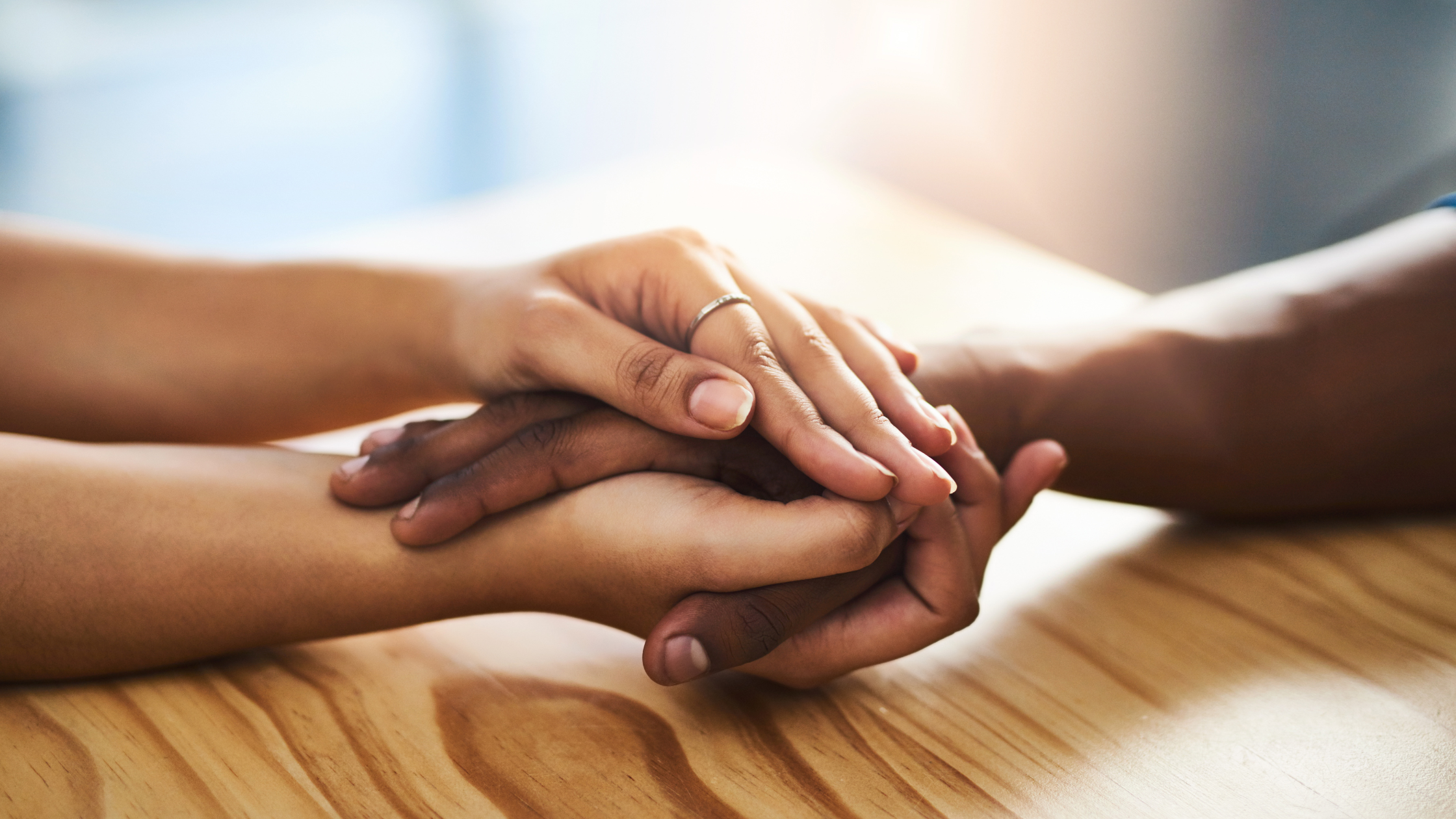
In nearly three decades of working with young Australians, teenagers battling cancer, young people spiralling through anxiety, parents at their wits' end at midnight, the single most underrated psychological tool I've encountered isn't a medication, a therapy protocol, or a bestselling app. It's kindness. Plain, old-fashioned, roll-up-your-sleeves kindness.
We've somehow convinced ourselves that kindness is soft. A bit soppy. Something you do when you can afford to. But the science tells a radically different story, and it's time Australians started paying attention.
Here's what the research actually shows. When you perform an act of kindness, your brain releases a cocktail of feel-good neurochemicals: serotonin, dopamine, and oxytocin. Serotonin stabilises your mood. Dopamine gives you that warm glow of reward. Oxytocin, sometimes called the "bonding hormone", lowers blood pressure and reduces cortisol, the stress chemical that, left unchecked, slowly wrecks your cardiovascular system. In other words, being kind to someone is genuinely good for your physical health. Researchers call this the "helper's high," and it's as real as any runner's equivalent.
Dr David Hamilton, a former pharmaceutical scientist who has spent years studying the biology of kindness, goes even further. In his research, Hamilton identifies what he calls the "molecules of kindness", oxytocin and nitric oxide, and their remarkable effects on the body. When we act with genuine kindness, oxytocin is released into our arteries, where it triggers the production of nitric oxide, a molecule that helps regulate blood pressure by altering the texture of arterial walls, dilating them and improving circulation throughout the body, including the brain. Put simply: a kind act is, at a cellular level, a cardiovascular workout.
But wait, it gets better. Research now shows that the oxytocin we produce through emotional warmth reduces levels of free radicals and inflammation in the cardiovascular system, two of the key drivers of ageing and heart disease. Hamilton also points to compelling evidence that practitioners of loving-kindness meditation have longer telomeres than non-practitioners, and telomeres are closely linked with how fast the body ages, with shorter telomeres associated with accelerated ageing. In other words, habitual kindness may actually slow down the clock. I don't know about you, but that's the most affordable anti-ageing strategy I've ever come across.
And there's more. When we're kind, we inspire others to be kind, and research shows this creates a ripple effect that spreads outwards to our friends' friends' friends, up to three degrees of separation. Hamilton illustrates this with a remarkable real-world example: a single anonymous kidney donation set off a chain reaction across the United States in which ten people ultimately received a new kidney. Just one act of generosity, rippling outward.
Studies out of the University of British Columbia found that performing acts of kindness measurably reduced social anxiety in participants. Other research has shown that people who volunteer regularly live longer, report higher life satisfaction, and are significantly less likely to suffer from depression. The psychologist Sonja Lyubomirsky, one of the world's leading researchers in positive psychology, has spent decades demonstrating that kind acts are among the most reliably effective ways to boost personal happiness, more effective, it turns out, than buying yourself something nice.
And here's the kicker: the person witnessing an act of kindness gets a boost too. Psychologists call this "elevation", that warm, chest-expanding feeling you get when you see someone help an old man pick up his shopping, or watch a teenager give up their seat on the tram. It motivates prosocial behaviour in observers. Kindness, it turns out, is genuinely contagious.
So why on earth aren't we teaching this more deliberately? I spend a lot of time in Australian schools, and I can tell you there's been a welcome push toward social-emotional learning. But too often, kindness is treated as a soft add-on, a poster on a wall, a feel-good assembly speech. What we need is to treat it like literacy. A core skill. Something practised, modelled, and celebrated daily.
Because here's what three decades of clinical work has taught me: children who are taught to notice others, to act generously, and to build empathy don't just become nicer people. They become more psychologically resilient. They have stronger friendships, better conflict resolution skills, and a more stable sense of identity. Kindness is, in the most literal neurological sense, scaffolding for a healthy mind.
And this isn't just for kids. Australia, Japan, the UK, we're all in the grip of a loneliness epidemic, one that predates COVID but was dramatically worsened by it. We have record rates of anxiety, depression, and social disconnection. GPs are overwhelmed. Mental health waitlists are growing. There is no magic bullet. But there is a freely available, zero-cost, scientifically validated intervention that every single one of us can deploy today, without a prescription or a referral.
Say something genuine to your neighbour. Let the car in during morning peak. Put a positive note in your kid's lunchbox. Call your mate who went quiet six months ago. These aren't trivial gestures, they are acts of psychological maintenance, for you and for them.
I want to be clear: I'm not asking anyone to be a pushover. Kindness is not the same as being a psychological doormat. Healthy boundaries matter. But there is an enormous amount of real estate between being a doormat and being the person who cuts in the queue, snaps at the barista, or scrolls past a friend's cry for help. Most of us live somewhere in that space and could nudge ourselves a few degrees warmer without any great cost.
Eleanor Roosevelt, not a psychologist, but no fool, once said that no one can make you feel inferior without your consent. I'd add a corollary: no one can stop you from being kind. It's one of the few things in this chaotic world entirely within your control.
The mental health crisis in this country is real and serious. It demands government action, better funding, and systemic reform. All of that is true. But while we wait for the cavalry, kindness is available right now, free of charge, with scientific backing and zero side effects. Use it. I think I’ll go buy the receptionist at my office a coffee.